
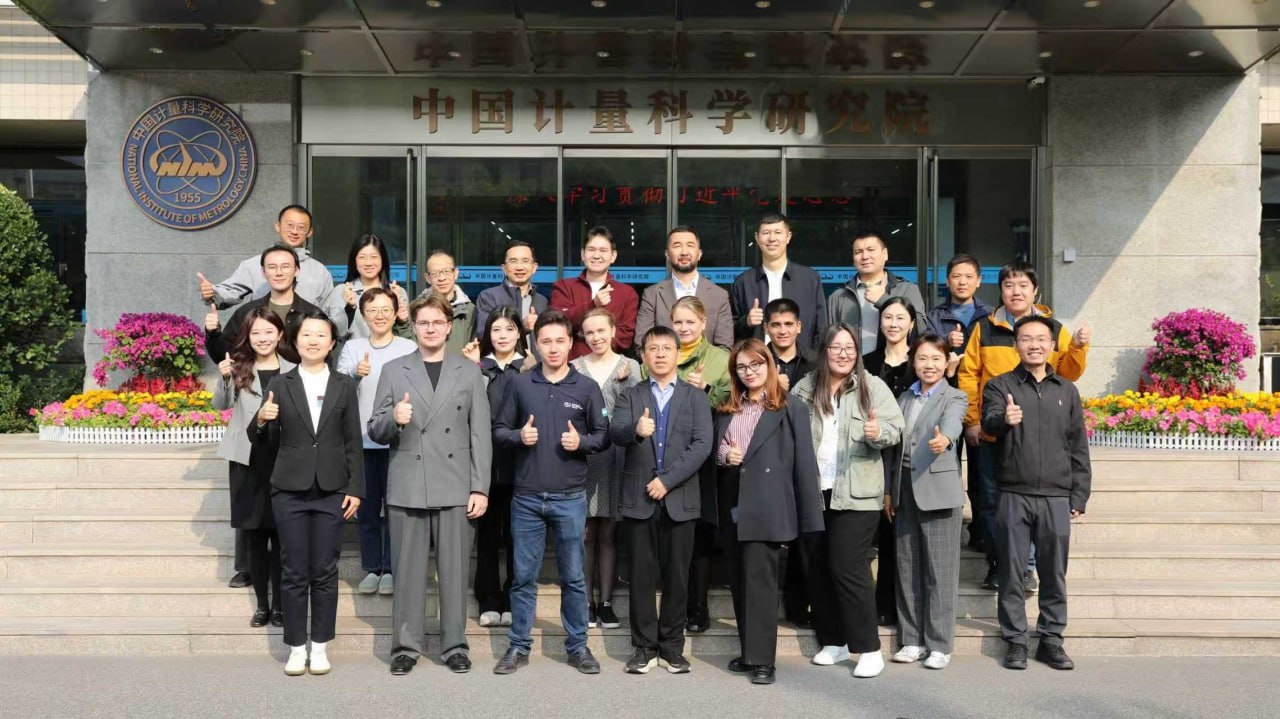
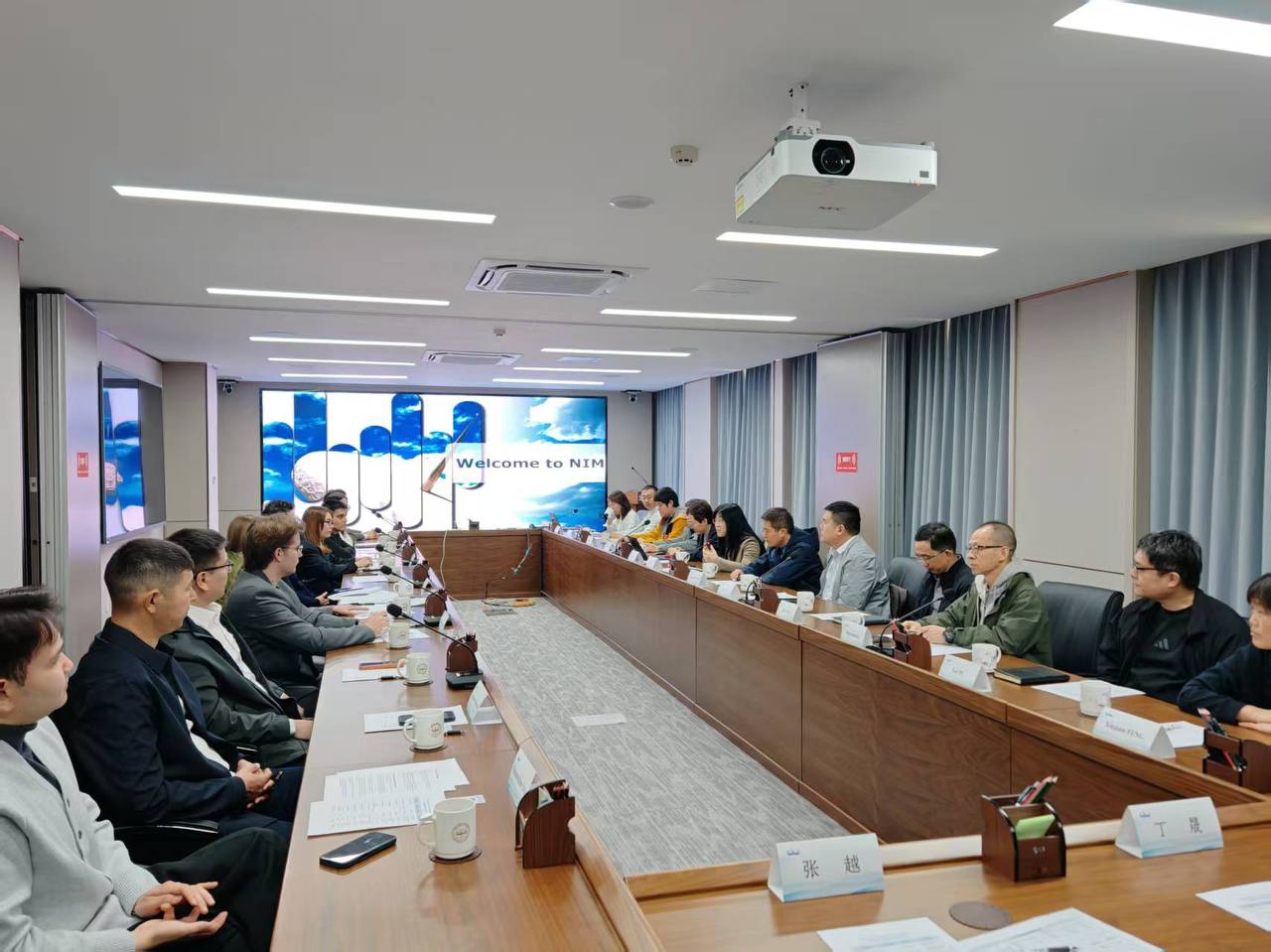
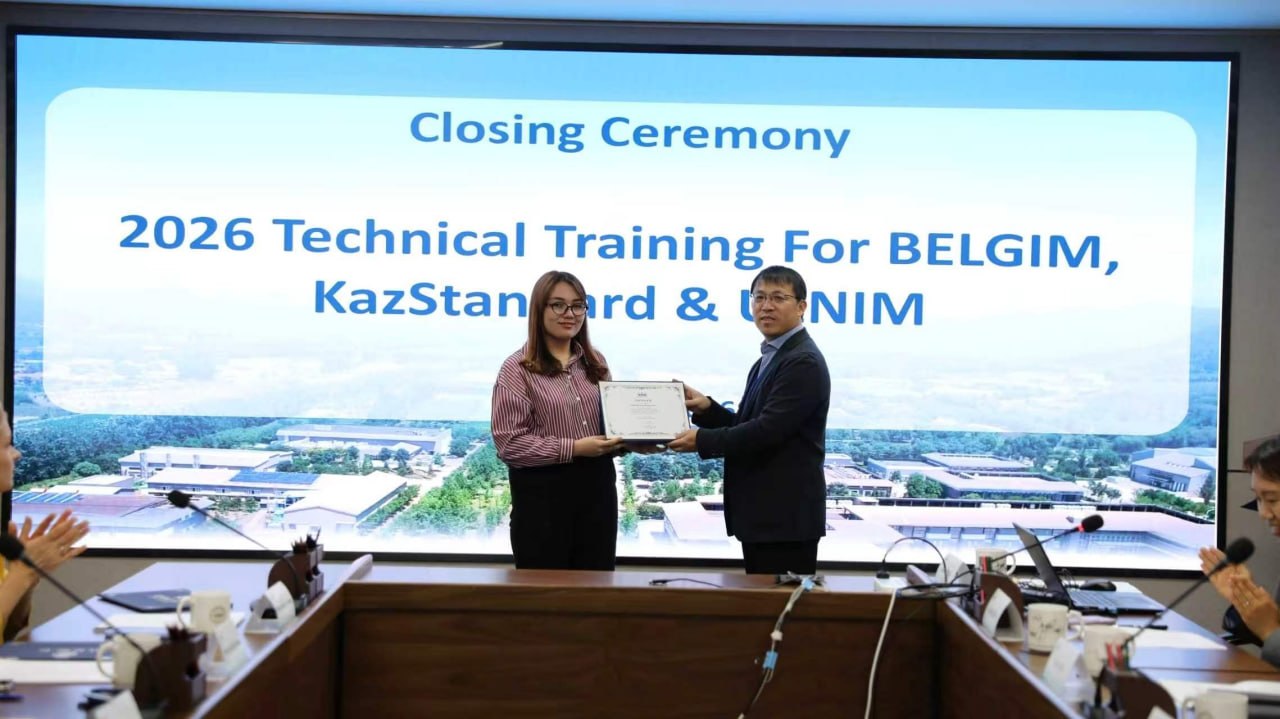
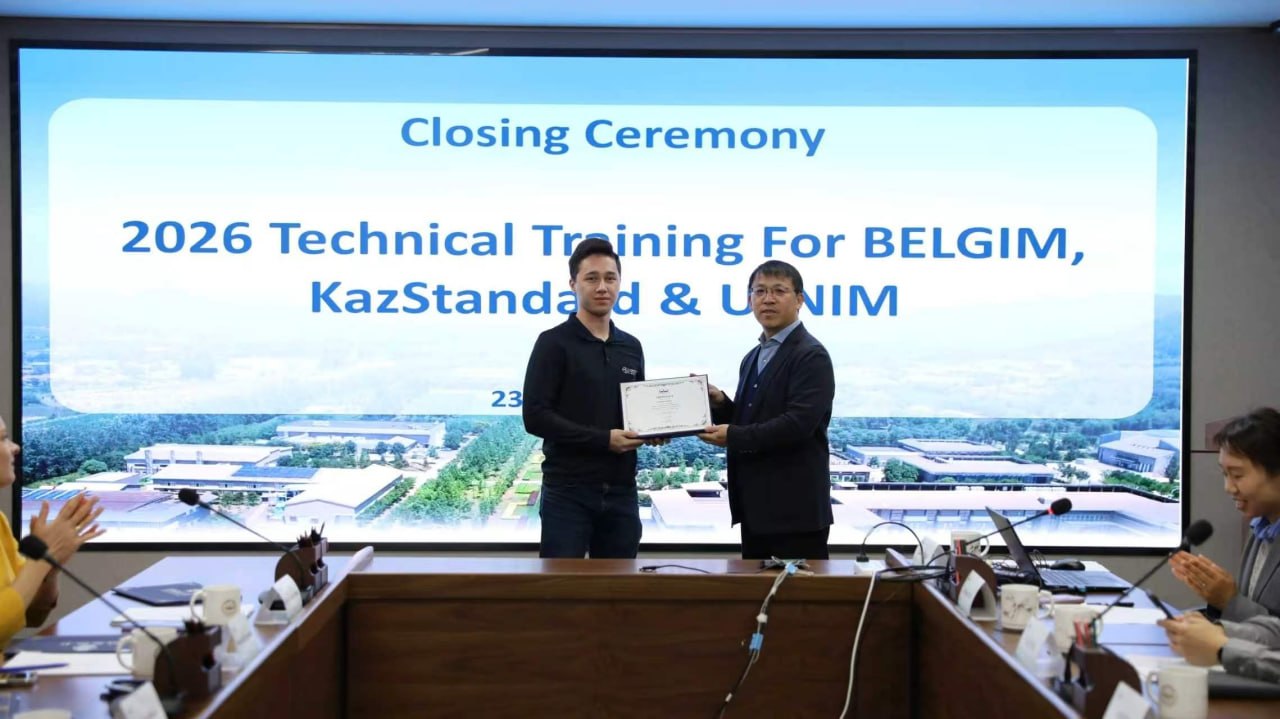
From October 17 to 25 of this year, specialists from the Uzbek National Institute of Metrology (UzNIM) participated in specialized training courses organized at the National Institute of Metrology of China (NIM). The professional development program covered areas such as angle metrology, calibration of length measuring instruments (gauge blocks), and gas flow metrology.
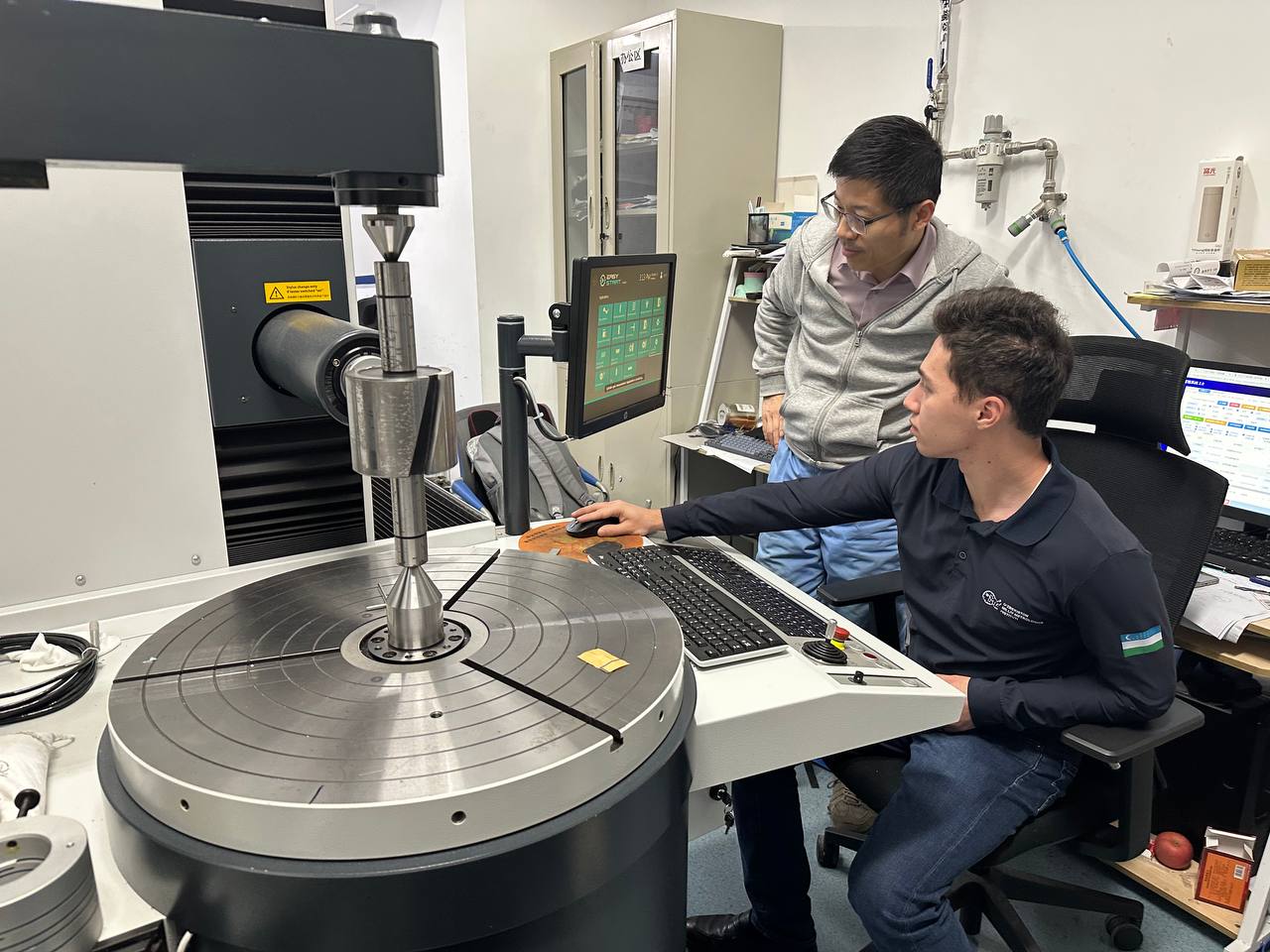
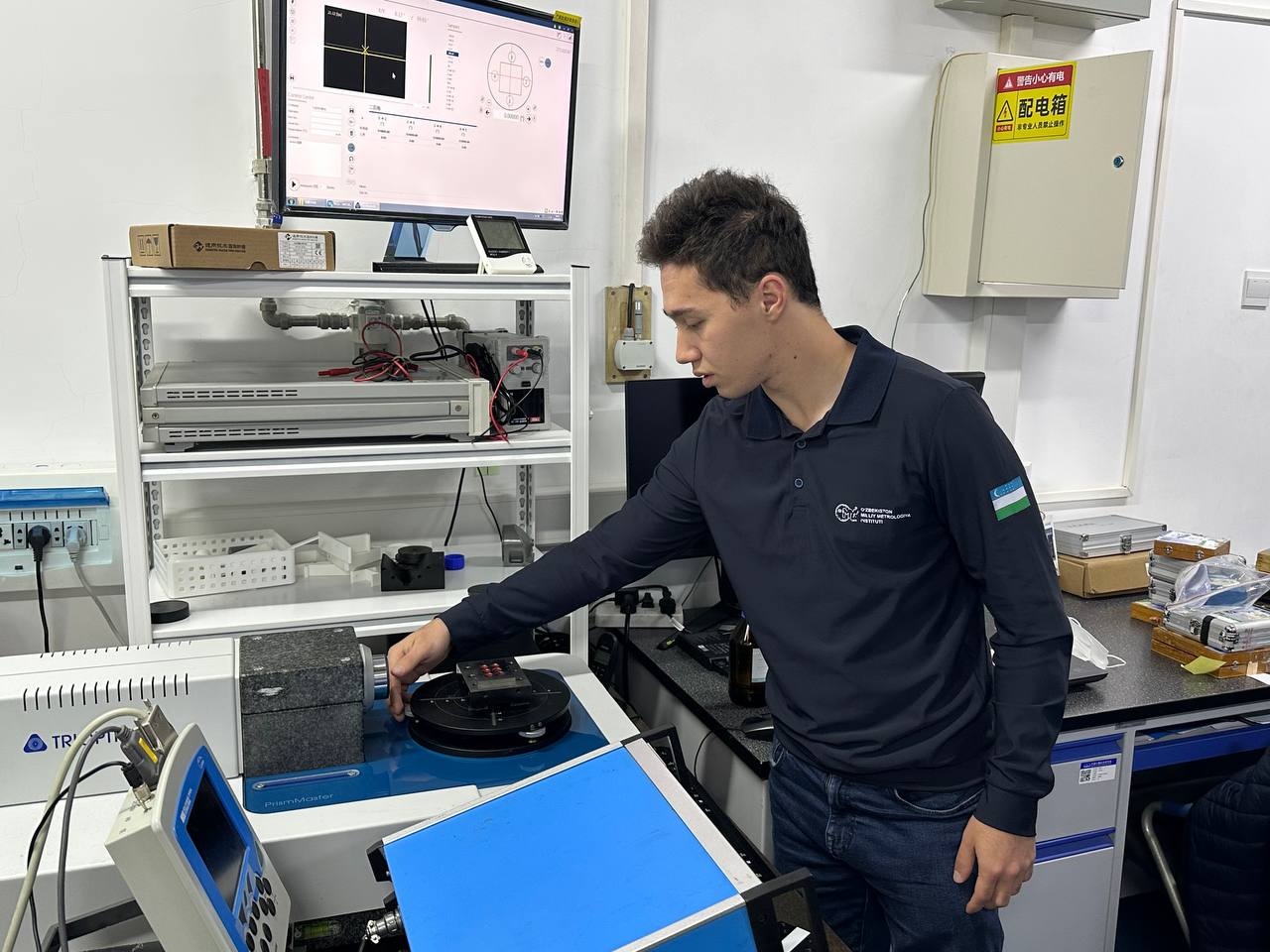
During the course, specialists in angle metrology enhanced their theoretical knowledge and practical skills in operating high-precision Coordinate Measuring Machines (CMM), measuring complex component geometry with high accuracy, and analyzing measurement results. They were also introduced to measurement and calibration procedures for angle gauge blocks, which serve as essential standard instruments in angular measurements.
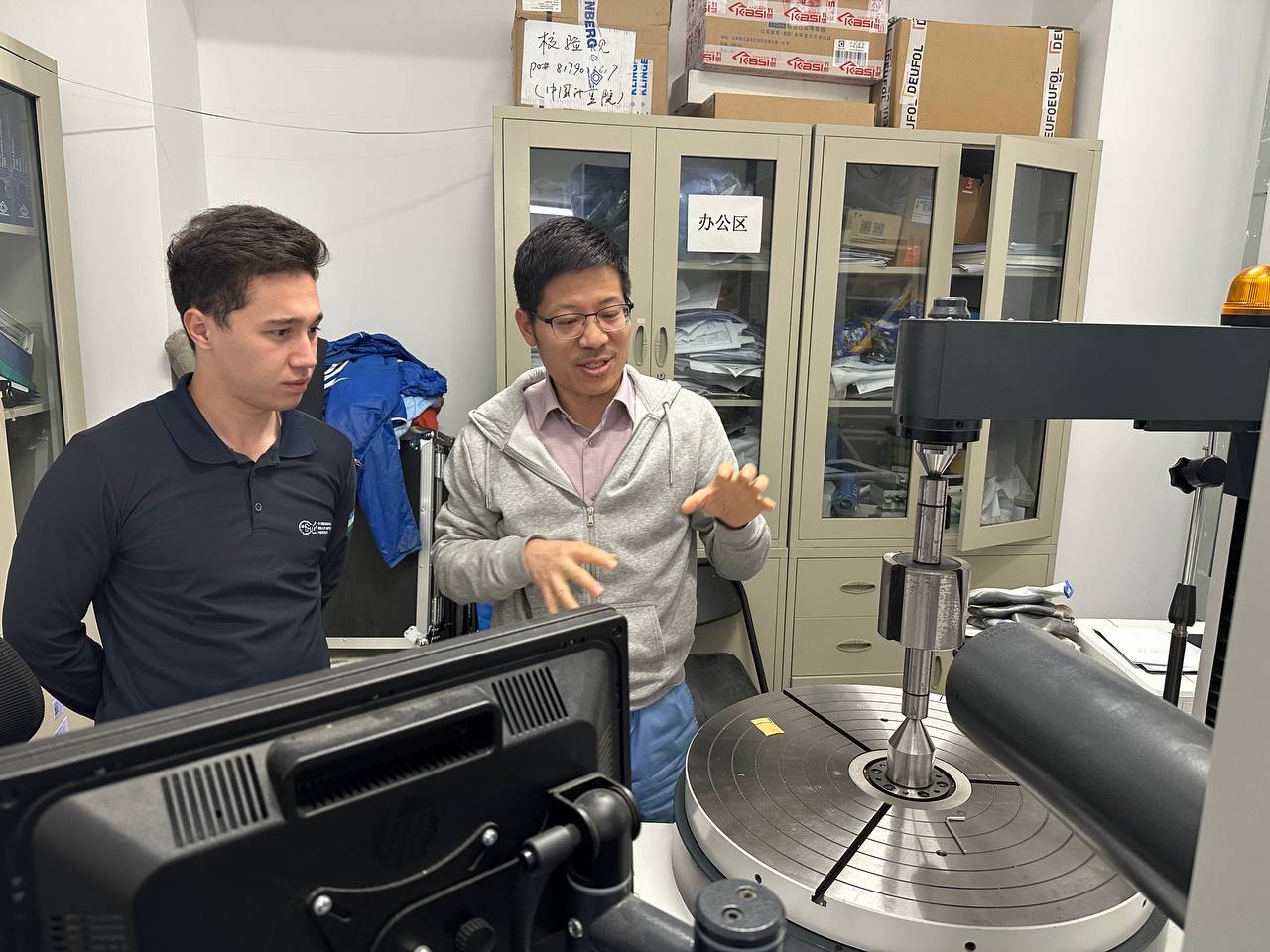
Additionally, calibration procedures for rotary tables using high-precision gyroscopic systems were demonstrated. These sessions provided valuable hands-on experience in accurately determining angular positioning and rotational parameters, evaluating the metrological characteristics of measuring instruments, and applying modern calibration techniques in practice.
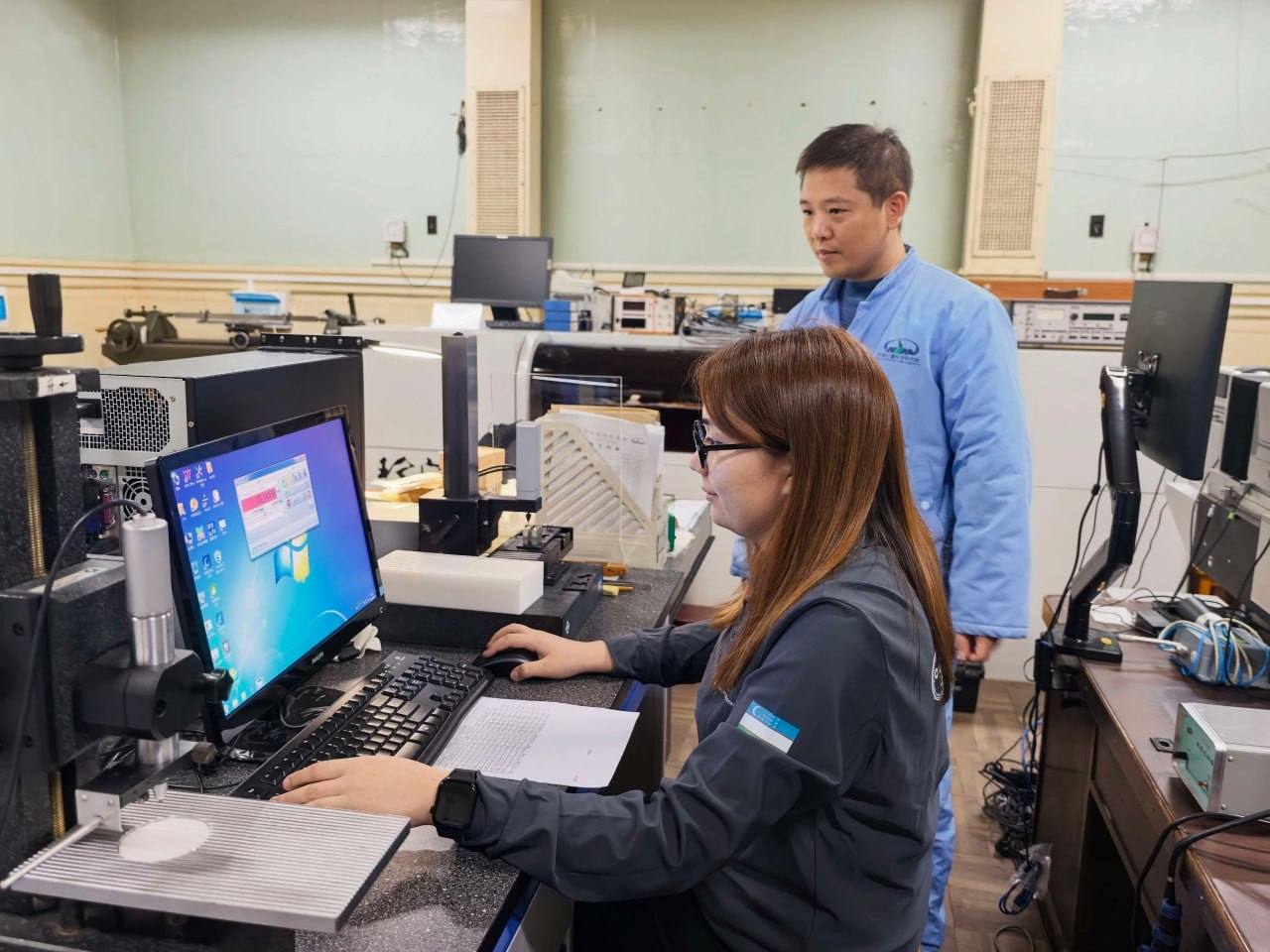
In the field of length metrology, specialists expanded their theoretical and practical expertise in calibrating, comparing, and performing interferometric measurements of gauge blocks, as well as evaluating measurement uncertainty in accordance with ISO 3650, JJG 146, JJF 1304, and JJG 371 standards. Methods for processing and analyzing measurement data were also covered.
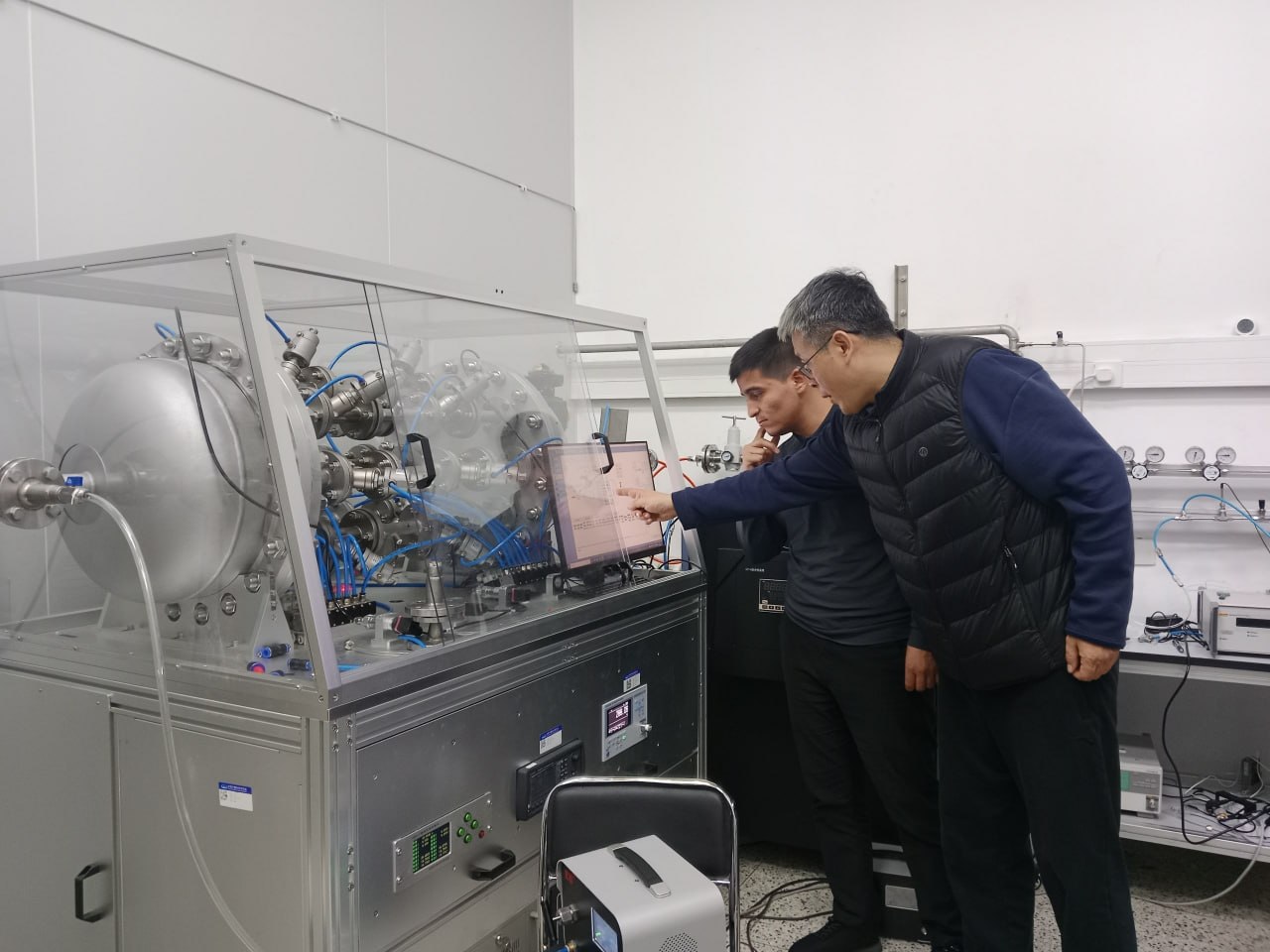
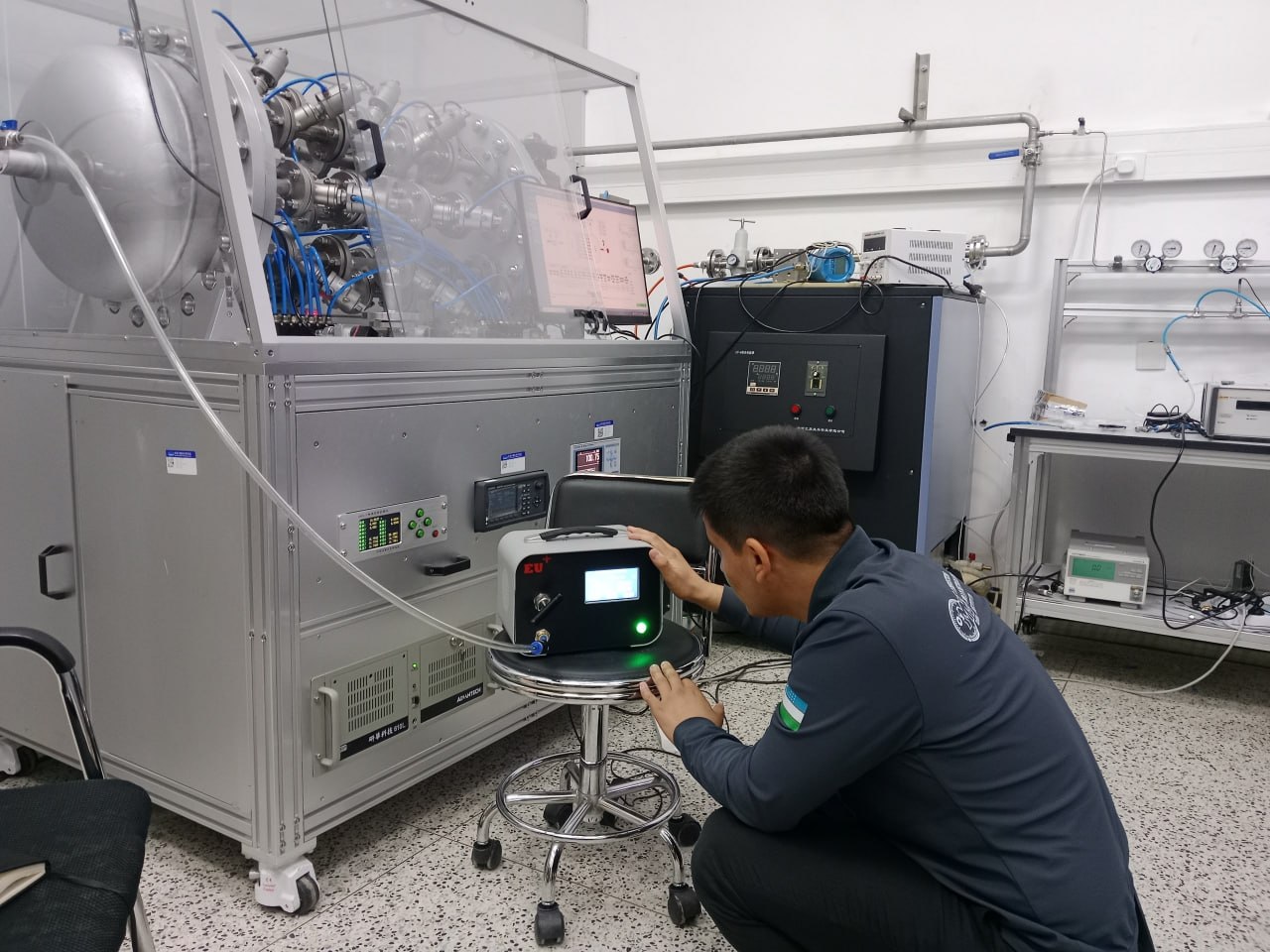
Special attention during the training program was given to gas flow metrology. Specifically, specialists studied calibration methods using critical flow sonic nozzles based on the ISO 9300 international standard and engaged in practical exercises.
The primary objective of this international training program is to further advance scientific and technical cooperation between the national metrology institutes of Uzbekistan and China, foster the exchange of advanced metrological practices, develop new Calibration and Measurement Capabilities (CMCs) in the respective fields, and support their international recognition.
At the conclusion of the visit, both sides discussed prospects for strengthening bilateral ties, maintaining consistent knowledge exchange among specialists, and implementing joint scientific and practical projects in the future.
